
Too much manual work
The team fills spreadsheets, reconciles data, forwards reports and answers the same questions. Manual work eats more hours than growth.
the team gets those hours back for work that moves revenue

AI isn't for the trend. It's for the places where reducing manual load, killing routine and speeding up processes is how the business survives.
The team fills spreadsheets, reconciles data, forwards reports and answers the same questions. Manual work eats more hours than growth.
the team gets those hours back for work that moves revenue
Every department looks at its own system. The real picture gets assembled by hand at month-end — decisions are made on stale data.
decisions run on today's data, not on last month's
CRM, ERP, Telegram live in isolation. Staff move data by hand, and decisions happen on different versions of the truth.
one version of the truth instead of manual re-keying between systems
Every new volume = new hire. The system doesn't scale on its own — it's inflated with people. Growth plans hit the labour market.
volume grows without headcount growing with it
Clients in CRM, finances in ERP, leads in email, files in the cloud. No one — neither executive nor team — sees the whole picture.
clients, finance and requests visible in one place
There were pilots with ChatGPT, but nothing went to production. No methodology, no owner for the metric, no view on ROI.
metric, owner and payback point fixed before the start
Scroll — watch scattered requests and tools pull into an orchestrated network.

We work with companies where operational efficiency is a question of survival, not of fashion.
Companies with revenue between $3M and $60M, where every inefficiency already shows up in the numbers and hits the margin directly.
inefficiency stops eating into the margin
Multi-location business where standards, data and processes have to be held across 20, 60, 180 locations at once — scale meets manageability.
the standard holds identically across every location
Production, logistics, retail, client service — where processes are numerous and wired across dozens of systems and roles.
processes connect to each other instead of being re-assembled by hand
The goal: 2—3× in a year without proportionally expanding headcount. It's math, not a slogan — growth without AI hits the hiring ceiling.
2—3x growth without hiring at the same rate
Departments work in isolation. Data drowns in chats and spreadsheets. Decisions run on intuition; communication goes through managers.
Artificial intelligence reads the context, connects systems and becomes the central nervous system of the business.
Links are clean, processes pass through agents, decisions happen in seconds — not weeks.
Operating cost drops; speed and quality rise. Growth becomes a consequence, not a target.
AI doesn't replace people. It frees their time for the work that moves the business. Growth without proportional hiring isn't a slogan — it's a measurable gap in the numbers.
of manual operations after AI systems ship
faster decisions and reports on key processes
average time from contract to first launch
new hires needed to double operational volume
The team stops drowning in routine and goes back to what actually moves the business: growth, product and customers — not endlessly copying data from one spreadsheet to another.


→We put the agent where it actually moves the process and changes the outcome.
→Success metrics and expected ROI are locked before development starts.
→We ship into production: real integration, monitoring, SLA.
→After launch we hand over the stack, access and full control of the solution.

Short cycles: we ship an effect you can measure, then embed the solution into your working context and grow it from there.
We dig into your processes, data and current infrastructure. We pinpoint where AI will actually take manual load off, speed things up and deliver a measurable business impact.
you leave with a task list scored by impact and priority
We ship the first working solution for a specific task. Straight inside your process and on your data — so the effect is validated in real work, fast.
the effect shows on your own data by the end of week three
We integrate into your existing perimeter: CRM, ERP, Telegram, email and internal services. Access set up, team trained, system goes into live operation.
the solution runs inside your stack and the team knows it
We watch quality, retrain models on new data and extend the solution to new scenarios. The system stays stable and grows as your business does.
the system grows with the business, with no second rollout
Tap a question — the agent answers. This isn't an LLM: just the facts about how we actually work.
↳ What does it cost?

Three ways to solve a task with AI. Pick honestly — we'll tell you when you don't need us.
Open-ended — usually 6+ months of experiments with no predictable outcome.
3—6 months hiring + 3 months to first launch.
6 weeks — written into the contract.
Thousands of $ on API + 2—4 months of your team's time.
~$8k/mo × 6 months = ~$48k before the first launch.
Fixed price, agreed before kick-off. Doesn't move.
On you. ChatGPT doesn't own a business outcome.
On you — you hired, you manage, you own the result.
On us. Metric doesn't move — we refund the fixed fee.
You maintain and grow it yourself.
Team on payroll — fixed cost regardless of load.
Separate SLA contract with clear monthly fee.
Yours from day one.
Yours — you paid for the salaries.
Yours from day one. Stack handover written into the contract.
Only the API provider (OpenAI/Anthropic).
Lock-in to people — turnover = project risk.
None. After launch, work with anyone — no rebuild.
Simple task, you have an AI engineer in-house, fine with 3—6 months of experiments and undefined ROI.
AI is a 2+ year strategy, you need a permanent team, OK with the fixed payroll cost.
You need a predictable 6-week launch: fixed price, money-back guarantee, full stack handover.
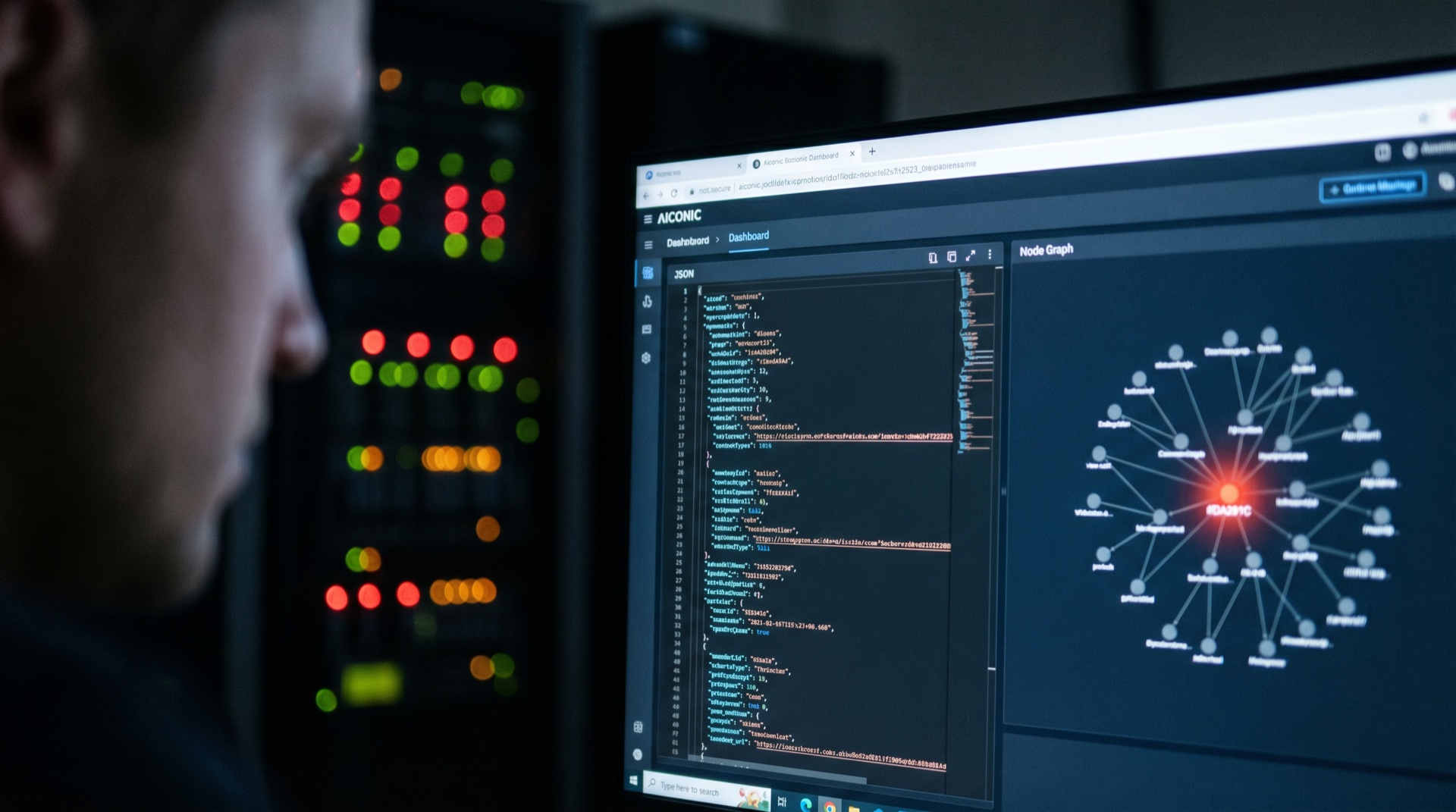


Snapshot of the network. Red nodes are agents; white are systems and data they're wired into.
16 people in operations route leads and check quality by hand — some requests burn out unanswered, defects and complaints surface after the fact, and every new location needs new people. AI handles 100% of leads in seconds and auto-controls quality, cutting operations from 16 to 3 people (~13 payroll positions saved) without losing control of the network.
16 → 3
100%

16 → 3
100%
seconds
Launching promotion takes a media buyer, a content lead, an SMM manager and a content team — an expensive payroll (or contractors), weeks to launch and constant sign-offs, with volume and speed bottlenecked by people. Miracle.Cool does all of it itself — it generates content and runs targeting, campaigns and analytics automatically, launching promotion in hours at minimal cost instead of a team of 4–5 specialists.
4–5 roles
hours

4–5 roles
hours
multiples lower
Books close "after month-end", the ledger drifts from the reporting — cash gaps and errors show up when it is too late to react, and reconciliation eats days of the accounting team. AI runs cash flow and P&L daily and reconciles to the kopeck (discrepancies → 0), turning accounting from post-mortem into managerial and freeing up the finance team.
daily
→ 0
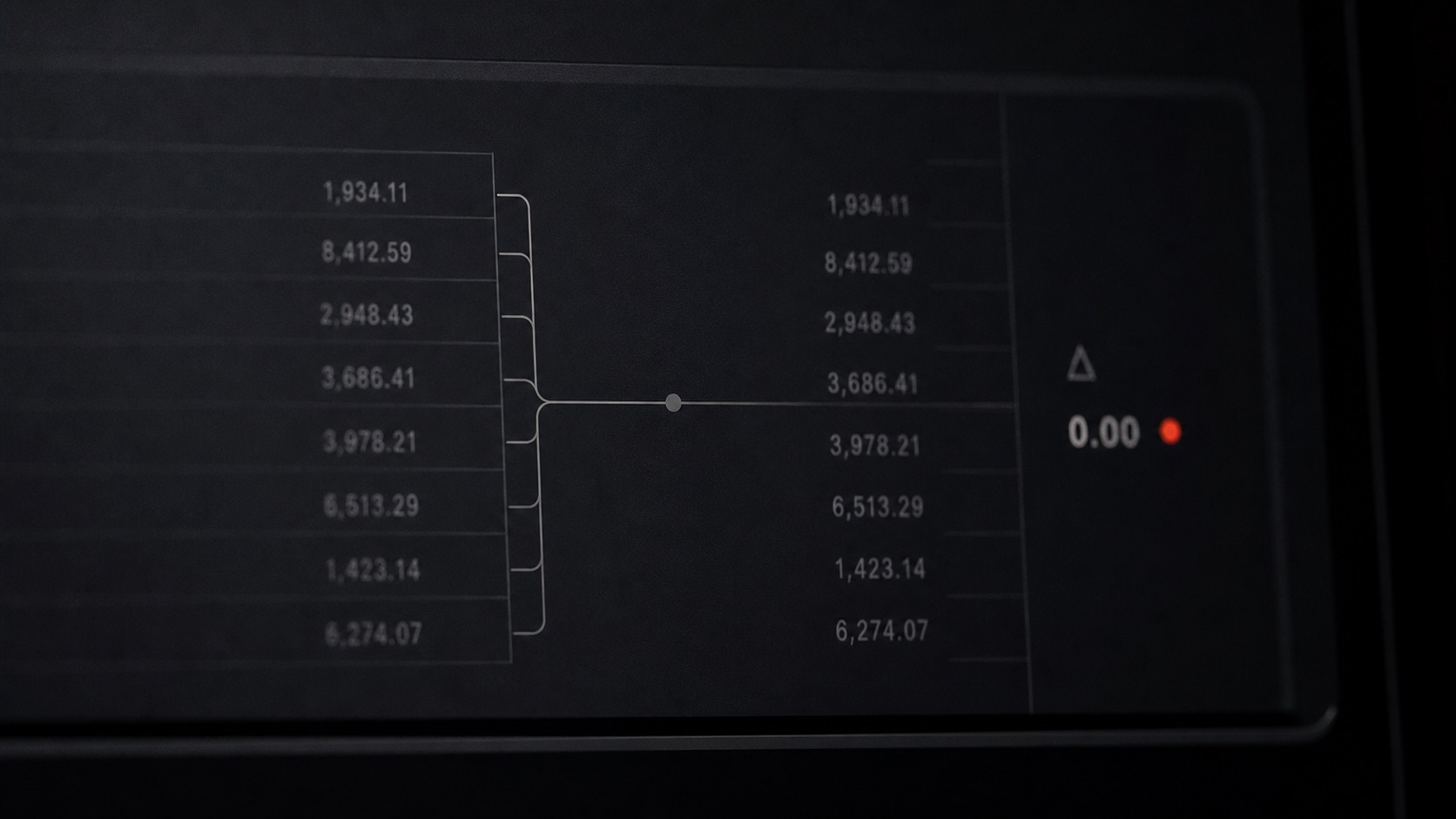
daily
→ 0
on time

Not testimonials — verifiable numbers from the cases: how many people, hours and dollars an AI system frees up.
British American Tobacco
14 analysts → 2. 15,000+ sites and 5,500 Instagram accounts under daily monitoring — a competitor’s new product lands in the database in under 24 hours.
Khozyayushka
16 → 3 people in operations. 100% of leads handled, replies in seconds — a 54-location chain under control with no headcount growth.
Photo booth network
8 engineers → 1 operator. Payroll −4×, up to 80% of incidents resolved remotely — 400+ locations under 24/7 auto-monitoring.

Not abstract promises — concrete shifts visible in the numbers and in how the team works, 4—8 weeks after launch.
The team stops copying data, reconciling sheets and repeating the same operations. Routine goes to agents; people move to hard problems.
the team's hours go back into clients and product
Leads, documents, communications flow through the system in seconds, not hours. Clients wait less; the business reacts faster.
request handling drops from hours to seconds
One panel across every department. The executive sees where the money is, where the delays are and where the risks are — in real time.
money, delays and risks visible in real time
Volumes double — the team stays the same. Hiring turns from a required function of growth into a deliberate choice.
hiring becomes a choice, not a condition of growth
Processes built around AI replicate to new locations, markets and teams without a rebuild — the infrastructure is ready to grow.
a new location plugs in without rebuilding the processes
Launch in 1—6 weeks, a log on every agent action. You know what you get and at what cost.
timeline and budget known upfront, every action logged
Adjust the parameters — we'll show how much capacity an AI system frees up if it takes part of the manual load. This is an estimate based on real projects.
If you didn't find your answer here, ping us on Telegram or send a brief — we'll work through your case.
Depends on the task. A small automation — tens of thousands of dollars. A linked set of processes or a custom system with AI inside — into the hundreds. We give the exact range after a free review: we look at your processes, data and systems and ship a quote before the first line of code. If the project doesn't pay back — we say so honestly.
Chaos orchestrated, agents online. Your business runs like a system — predictable, every day.
A 30-minute diagnostic, no slide decks, no vague talk. We map your process, estimate the impact, timeline, and the best way to launch.