A business-focused guide to location analytics: what it is, where it changes decisions, what data it needs, how to implement it, and where projects can fail.
How to turn an AI draft into a useful business post through briefing, sources, tone of voice, visuals, editing, distribution and measurement.
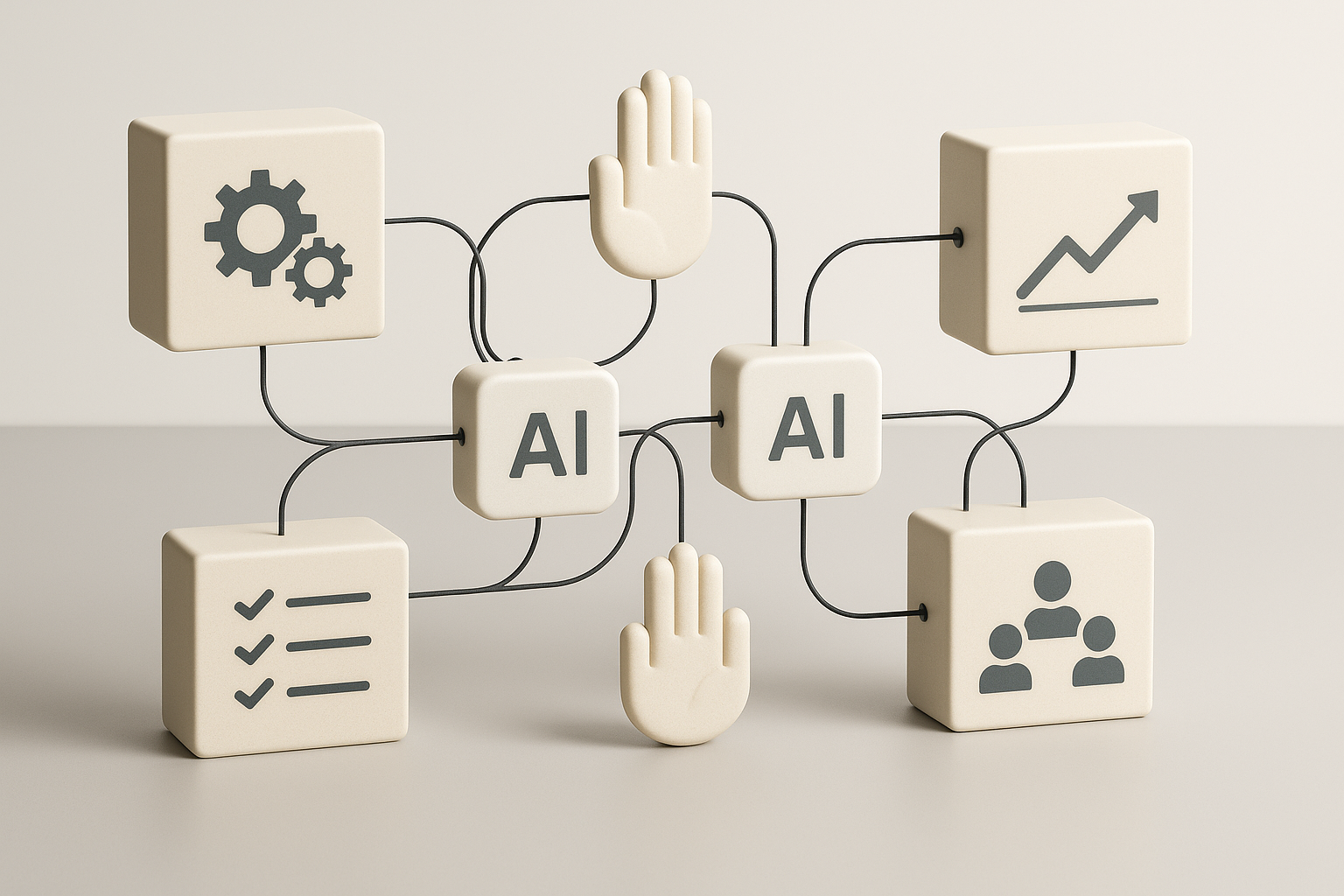
A practical way to select, pilot, govern and evaluate AI agents in business processes without treating autonomy as an end in itself
A practical guide to selecting governing piloting and scaling AI in business processes with accountable human oversight.
Choose a lead generation agency by testing how it produces enquiries, what it calls qualified, how records enter sales, and whether reporting follows outcomes beyond form submissions. Ask for source disclosure, data
A practical workflow for branded AI images, from the brief and reference assets to rights, provenance, visual QA and safe publication.
How to choose AI music for advertising, video and branding by reviewing the use case, service terms, input and output rights, voice likeness, provenance and editorial control.
When an organization needs RAG, fine-tuning, a local model or a combination—based on data, freshness, privacy, evaluation, cost and operations.
How to design an executive AI assistant across sources, memory, calendar and email, permissions, human approval, action logs, privacy and limitations.
How to design retail computer vision around an observable task, representative data, privacy, human review, error metrics and a controlled rollout.
How speech-to-speech translation works, where latency appears and how to manage voice, terminology, privacy and human review.
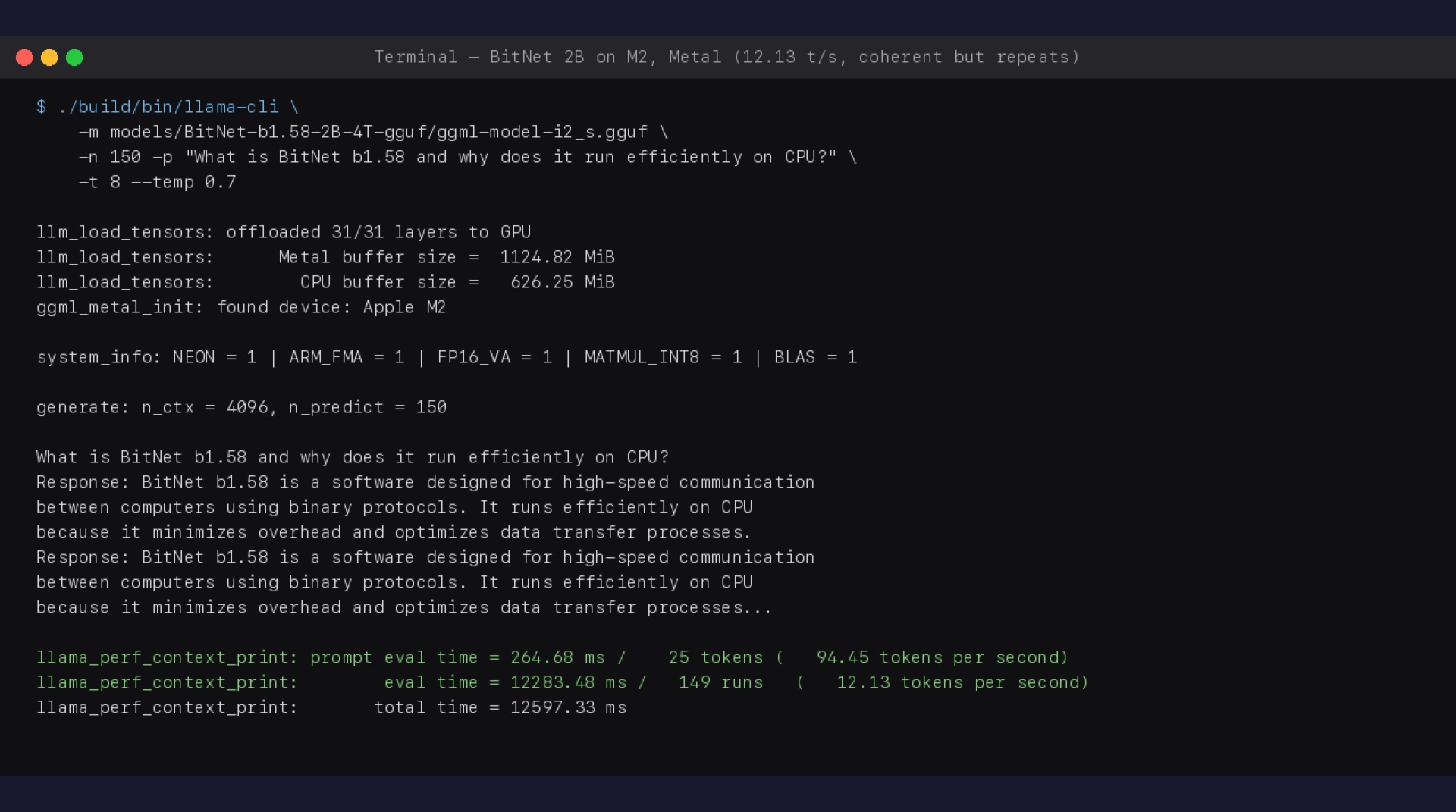
A reproducible way to test BitNet on Apple Silicon using pinned versions, model and backend details, warm-up, prompt sets, latency, memory, quality and bounded conclusions.
What an open model needs: a model card, data version, licence, intended use, limitations, evaluation, a safe example and an update process.
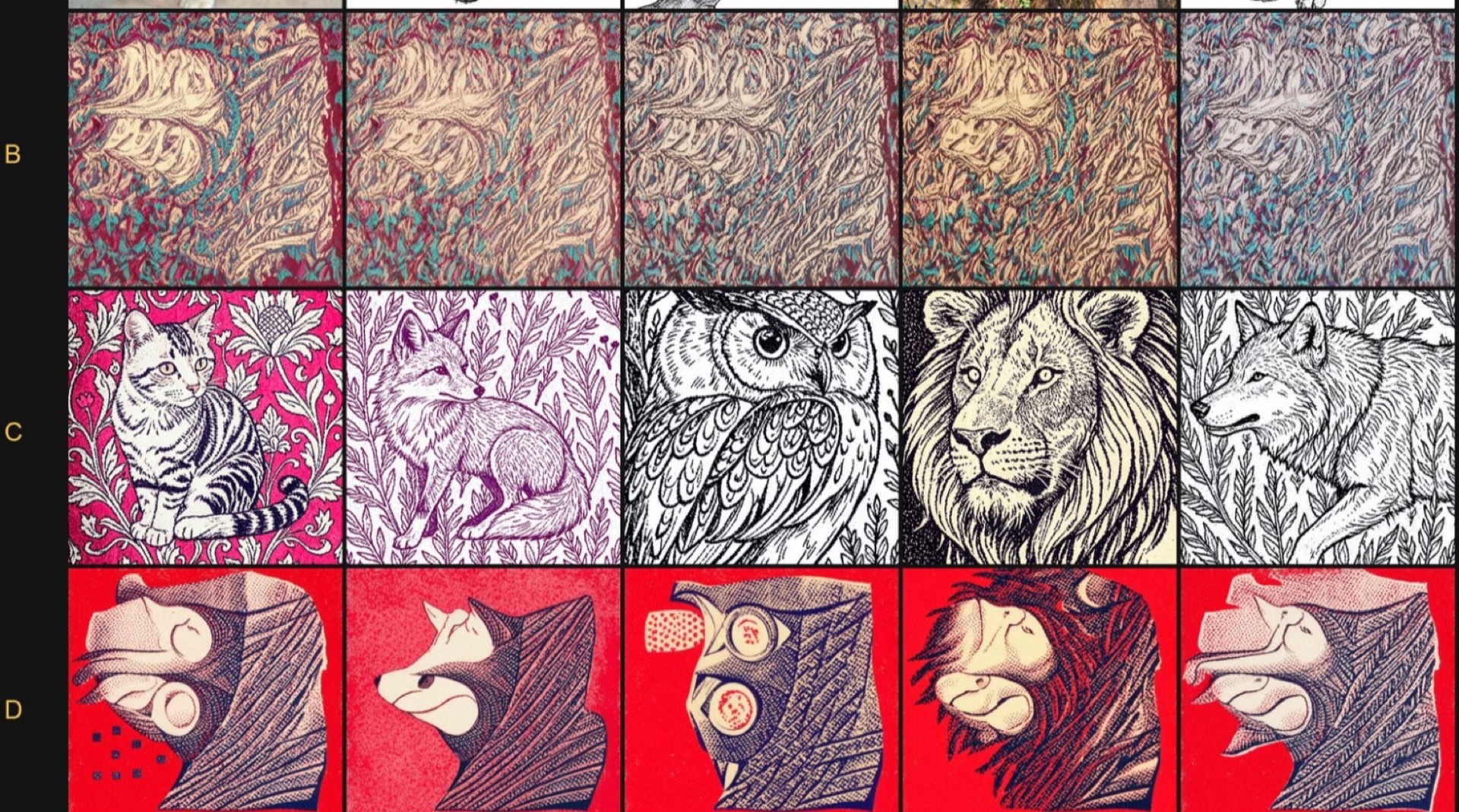
An ablation method for FLUX LoRA with a fixed dataset, baseline, one changed variable, blind review, reproducibility, provenance and no cherry-picking.
How chatbots and agents differ in goals, state, tools, autonomy, controls and accountability—and when a simple workflow is enough.
A practical AI project checklist covering baseline, metric definition, data, samples, acceptance, accountability, monitoring, model changes and rollback.
Why a successful AI demo is not yet a product: production data, integrations, evaluation, observability, security, cost, process ownership and rollback.
How to measure AI-enabled throughput using a baseline, queue, quality, human effort, cost and constraints—without making false headcount promises.